
Is organic viticulture sustainable?
Dr Tom Croghan, co-owner of the Vineyards at Dodon, questions the organic orthodoxy in Meininger’s International


Dr Tom Croghan, co-owner of the Vineyards at Dodon, questions the organic orthodoxy in Meininger’s International
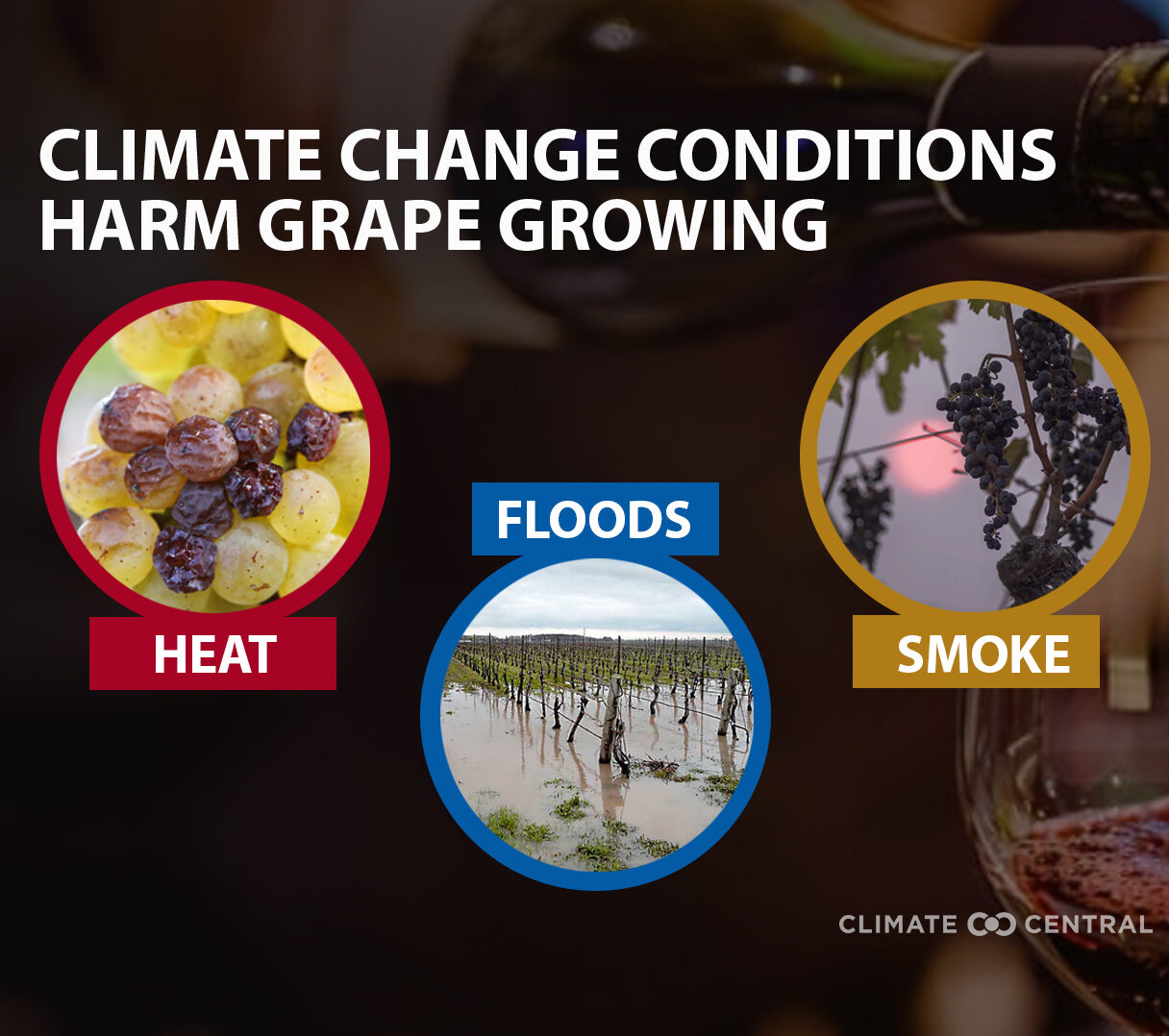
How to make your vineyard more resilient to climate change We are entering an era where climate patterns no longer follow predictable cycles. Temperatures continue to rise, rainfall becomes erratic, and weather events grow more violent and frequent. Climate adaptation and climate change resilience are becoming urgent challenges for wine growers. The new normal is…
This study by Ryschawy, J et al., (2025) published in Agronomy for Sustainable Development, found that reintegrating livestock into vineyards in southern France provides ecological benefits such as improved soil and vegetation management, but adoption is limited by weak coordination, economic constraints, and mixed stakeholder support. Headline Findings Methods Results Read the original study here.

A 2025 global meta-analysis by Silvia Winter et al., in Science of the Total Environment found that less intensive vineyard management increases biodiversity and ecosystem services by about 14% overall, with minimal trade-offs except for reduced yields in organic systems. Headline Findings Methods Results Read the original study here.
Study in northeast Spain by José M. Mirás-Avalos et al., (2026) in Applied Soil Ecology journal finds occasional tillage may support soil quality however has clear negative affects on soil fauna. Headline Findings Introducing cover crops in Mediterranean vineyards can increase competition for water and nutrients, making managers hesitant to replace tillage with permanent cover cropping….
Academic study at Geisenheim University showing that organic and biodynamic vineyards’ yields catch up over time, with biodynamic now out-performing in hot, dry years. Doring et al., 2026 Headline Findings Methods Results Original study here.
Your support helps us equip growers, producers, and the broader wine community with the knowledge, tools, and connections needed to adopt regenerative practices that restore the land and secure the future of viticulture.